Key Takeaways
-
Two weeks can realistically lead to a 2 to 4-pound weight loss, but the biggest benefit is building habits that continue driving results long after those first 14 days.
-
Three types of workouts form the foundation of the plan: steady-state walking or jogging, incline walking, and High-Intensity Interval Training (HIIT).
-
Steady-state sessions last 40 to 60 minutes, incline workouts run 30 to 40 minutes, and HIIT sessions take 20 to 30 minutes, with HIIT limited to once or twice per week.
-
Train five days a week, accumulating 350 to 450 minutes across the full two weeks, and hold a moderate calorie deficit anchored by protein and fiber.
-
SOLE motorized treadmills offer 15 power incline levels and cushioned decks, making back-to-back incline and interval days easier on your joints.
Is Two Weeks Enough Time to Lose Weight?
Two weeks is enough time to start losing weight on a treadmill, provided the plan combines consistent training with a calorie deficit. The two-week window works best as a behavioral reset, rather than a body transformation.
Completing 10 planned treadmill sessions, accumulating 350 to 450 minutes of total work across the two weeks, and avoiding the post-exercise food rebound are targets that actually set you up for sustained fat loss beyond the two weeks.
Friction is what usually ends these plans early. A belt that stutters at walking speed or a console that fights you between intervals and recovery costs more sessions than sore legs do, which is why equipment built for steady incline and speed, such as SOLE treadmills, earns its place here.
|
Award-Winning Commercial-Grade Treadmills for Your Home
Why Choose SOLE: ✓ Commercial-grade steel frames with up to 4.0 HP motors 30-Day Money-Back Guarantee: Love it or return it, no questions asked. |

The Best Treadmill Workouts for Weight Loss

Beginners should start with steady walking for the first week and add incline or intervals once sessions feel manageable.
1. Steady-State Walking & Jogging
Steady-state cardio means holding one pace for the entire session. It’s the foundation of any beginner weight loss plan and still delivers real results when done consistently. A brisk walk at 3.5–4.5 mph for 45–60 minutes burns a meaningful number of calories without stressing joints or requiring long recovery.
If you can jog comfortably, maintain a conversational pace (around 5–6 mph) for 30–40 minutes to burn more calories per session. The key word is conversational: if you can’t speak in short sentences, you’re working too hard to sustain the effort daily. Reserve higher intensities for interval days.
Steady-state sessions are also the right choice on recovery days between harder workouts. They keep daily energy expenditure elevated without accumulating the fatigue that derails a two-week plan.
2. Incline Walking
Incline walking is one of the highest-value tools in a treadmill weight loss plan. Raising the belt angle forces your glutes, hamstrings, and calves to work significantly harder than flat walking at the same speed, which translates directly into more calories burned per minute.
One method that has built a strong following is the 12/3/30 workout: set your treadmill to a 12% incline, walk at 3 mph, and hold that for 30 minutes. For many people, this combination can burn as many calories as a jog. It just takes a few minutes longer, with far less impact on the knees and ankles.
3. HIIT on the Treadmill
High-Intensity Interval Training alternates short bursts of hard effort with active recovery periods. On a treadmill, this typically means 30–60 seconds at a challenging speed or steep incline, followed by 90 seconds to 2 minutes of easy walking. A complete HIIT session runs 20–30 minutes and burns a disproportionately large number of calories relative to its duration.
HIIT is effective because it elevates your metabolic rate for hours after the session ends. However, it also demands more recovery, so it should appear no more than once or twice per week in a two-week plan. Overloading on HIIT without adequate rest leads to fatigue, poor form, and a higher injury risk.
How Should You Structure a 2-Week Treadmill Plan?

If a session feels impossible, cut the duration rather than skipping it, since a 15-minute walk keeps the streak intact.
Train Five Days Per Week
Five days per week is the target. That leaves two full rest or light activity days, which your muscles and joints need to adapt and recover. Spreading sessions across the week rather than clustering them back-to-back also keeps daily calorie burn more consistent, which matters for the overall deficit you’re trying to create.
Session Length by Workout Type
Session length depends on the workout type. HIIT sessions are shorter by design: 20–30 minutes of real interval work is more than enough. Incline sessions land in the 30–40 minute range.
Steady-state walks and jogs should fill 40–60 minutes, since the lower intensity means you need more time on the belt to accumulate a meaningful calorie burn. That puts the two-week target at 350–450 total minutes of treadmill work, roughly 175–225 minutes in each week.
When to Push Hard & When to Recover
Pushing hard on back-to-back days without recovery leads to soreness that forces unplanned rest days, which wrecks the consistency the plan depends on. Save your highest effort for HIIT days.
On steady-state and incline days, work at a pace where you can hold a short conversation. On rest days, stay off the treadmill entirely or limit movement to a 15–20 minute easy walk.
Listen to sharp joint pain, unusual fatigue, or disrupted sleep as signals to dial back. Gradual, sustainable weight loss is safer and more effective than pushing through warning signs. Two weeks of consistent moderate effort outperforms one heroic week followed by five days of recovery.
Diet Changes That Make Your Treadmill Work Pay Off
Set a Moderate Deficit, Not an Aggressive One
A deficit of roughly 300 to 500 calories per day pairs well with the five-day plan above. That range lines up with the 1 to 2 pounds per week most people can lose without wrecking their training. Cutting harder rarely speeds things up over 14 days. It just makes you hungrier, slower on the belt, and more likely to quit in week two.
Anchor Every Meal With Protein
Aim for a palm-sized portion of lean protein at each meal: chicken, fish, eggs, Greek yogurt, tofu, or legumes. Protein preserves muscle while you are in a deficit and blunts hunger for hours, which is what keeps the deficit survivable rather than heroic.
Fill the Rest of the Plate With Fiber
Vegetables, fruit, beans, and whole grains slow digestion and let you eat a satisfying volume of food on fewer calories. Most people fall well short of the 25 to 35 grams a day that general guidance recommends, and closing that gap does more for appetite control than any supplement.
Watch What You Drink
Sweetened coffee, juice, soda, and alcohol are the easiest ways to undo a session's worth of work without noticing, because liquid calories don't register as fullness the way food does.
Do Not Earn Back the Workout
The most common way a two-week plan stalls is treating a hard incline session as a license to eat more that evening. Keep your meals roughly the same on training days and rest days, and let the treadmill work create the deficit rather than funding an extra plate.
If you have a medical condition, take medication, or have a history of disordered eating, talk to your doctor or a registered dietitian before starting a calorie deficit.
SOLE Treadmills Give You the Tools to Lose Weight Faster

More than 25 years of engineering goes into every SOLE treadmill, backed by lifetime frame and motor coverage.
Choosing the right equipment makes a real difference when you are committing to a structured two-week plan. Inconsistent incline adjustment or a console that makes it hard to switch between intervals and recovery all create friction that interrupts workouts and chips away at motivation.
SOLE's motorized treadmills all offer 15 levels of power incline, and every one of them runs on a cushioned deck built to take the sting out of repeat sessions. Every model includes free access to the SOLE+ app and its 3,000 instructor-led workouts, with no subscription fee. Browse our treadmill lineup to find the model that fits your plan.
Frequently Asked Questions (FAQs)
How much weight can you realistically lose on a treadmill in 2 weeks?
On average, you can expect to lose 1–2 pounds per week with a combination of treadmill workouts and dietary adjustments. So a realistic goal for two weeks would be 2–4 pounds. However, individual results may vary based on factors like starting weight, metabolism, and adherence to the plan.
Is walking or running better for weight loss on a treadmill?
Walking and running both contribute to weight loss, and the better choice depends on your current fitness level and how well you recover between sessions. Running burns more calories per minute, but it also requires more recovery time and puts more repeated load through the knees and ankles than walking. Walking at an incline can match the total calorie burn of flat running over a slightly longer session, and draws a higher share of that energy from fat, while being far easier on the joints.
How does incline walking help with weight loss?
Incline walking increases the demand on your glutes, hamstrings, and calves, raising your heart rate and calorie burn without requiring you to run. At a 12% incline and 3 mph, the metabolic cost of walking climbs significantly compared to flat walking at the same speed. This makes incline sessions an efficient option for people who want high calorie output with low joint impact.
What should you eat when doing daily treadmill workouts?
Prioritize protein and fiber at every meal to support muscle recovery and keep hunger in check while maintaining a calorie deficit. Anchor each meal with lean proteins such as chicken, eggs, Greek yogurt, and legumes. Fill the rest of your plate with vegetables and whole foods, and limit liquid calories from sweetened drinks and alcohol.
Which SOLE treadmill is best for a weight loss program at home?
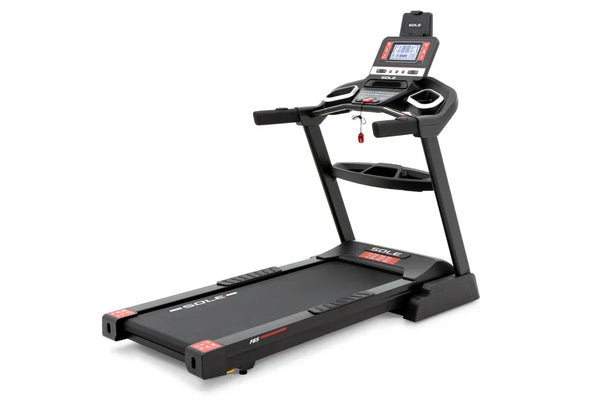
Every SOLE treadmill handles the demands of a weight loss program, so the better question is which features match your training style. Runners doing interval work benefit from the larger motors and wider decks on models like the F83 and F85, while walkers focused on incline sessions will find the F65 and F80 more than capable. All motorized models reach 15 incline levels and include free access to the SOLE+ app.
*Disclaimer: Products and prices mentioned in this article are accurate as of the date of publication and are subject to change. Please visit the official SOLE website for the most current information.