Key Takeaways
-
A treadmill belt that drifts to one side should never be ignored, as it can lead to uneven deck wear, reduced performance, higher repair costs, and an increased risk of slips during workouts.
-
The most common causes of belt drift are uneven belt stretch, rear roller misalignment, an unlevel treadmill, and worn roller bearings. Identifying the correct cause is key to choosing the right fix.
-
Start by checking that the treadmill is level, then make ¼-turn adjustments to the appropriate rear roller bolt while the belt runs at 1–2 mph. Test the belt after each adjustment and avoid over-tightening.
-
If the belt shows glazing, frayed edges, cracks, exposed fabric, or excessive belt dust, it's time to replace it rather than continue making adjustments.
-
When an aging treadmill keeps drifting despite repairs and part replacements, upgrading to a SOLE Fitness model brings durable steel frames, powerful motors, and the Cushion Flex Whisper Deck for smoother, longer-lasting runs.
When to Fix Your Belt & When to Go for an Upgrade
If your treadmill belt keeps sliding to one side, the good news is that most of the time you can fix it yourself. Drift usually comes from something simple, like an unlevel frame, a rear roller that has slipped out of alignment, or a belt that has stretched a little more on one side. On a machine that is otherwise in good shape, these are quick, low-cost corrections that get the belt tracking straight again in minutes.
The catch is that not every drift is worth chasing. If the belt is glazed, frayed, or cracked, or if it keeps wandering no matter how carefully you adjust it, you are likely looking at worn parts rather than a loose bolt. At that point, more tweaking just delays the inevitable, because the deck and rollers are telling you they are near the end.
So before you grab a wrench, it helps to know which situation you are in. Below, we walk through what actually causes belt drift, how to correct the fixable problems step by step, and when upgrading to a sturdier machine like a SOLE Fitness treadmill is the smarter move.
|
Award-Winning Commercial-Grade Treadmills for Your Home
Why Choose SOLE: ✓ Commercial-grade steel frames with up to 4.0 HP motors 30-Day Money-Back Guarantee: Love it or return it, no questions asked. |

The Real Reasons a Treadmill Belt Slips to One Side

Understanding the real reason why your treadmill belt consistently drifts helps you fix the issue correctly and avoid unnecessary wear.
Uneven Belt Stretch From Regular Use
Over time, treadmill belts naturally stretch, but uneven use can cause one side to elongate more than the other. This imbalance makes the belt drift toward the tighter side. If the belt changes direction as you shift your weight while walking slowly, uneven stretching is a likely cause.
Rear Roller Misalignment
The rear roller controls the belt's tracking and is adjusted using two rear alignment bolts. If one bolt is tightened more than the other, the roller sits slightly out of parallel with the front roller, causing the belt to drift toward one side. This is one of the most common causes of belt tracking problems and is usually the first adjustment to check.
Treadmill Not Sitting Level on the Floor
Even a slight tilt from side to side or front to back can cause the belt to track downhill gradually. This often happens when the treadmill is placed on an uneven floor, or the leveling feet are not adjusted correctly. Checking the machine with a bubble level and leveling the frame can often solve the problem without making any belt or roller adjustments.
Worn Roller Bearings
Worn roller bearings create extra friction on one side of the treadmill, pulling the belt off-center. Unlike roller misalignment, this problem is often accompanied by grinding noises, vibration, or belt drift that doesn't improve after adjustments. When these symptoms appear together, replacing the worn roller or bearing is typically the best solution.
How to Fix a Treadmill Belt That Drifts Left or Right

Once you've identified the cause, follow these steps in order. Small, gradual adjustments are the safest way to restore proper belt tracking without causing unnecessary wear.
Step 1: Check If Your Treadmill Is Level
Before adjusting the belt, make sure the treadmill is sitting on a stable, level surface. Use a bubble level to check both side-to-side and front-to-back. If the machine is uneven, adjust the leveling feet before making any mechanical changes, as an unlevel treadmill can cause the belt to drift.
Step 2: Locate the Rear Roller Adjustment Bolts
Find the two rear roller adjustment bolts at the back of the treadmill, one on each side of the rear roller. Most treadmills use recessed Allen bolts, although some models use hex bolts. These bolts control the belt's alignment and should be adjusted using the correct tool to avoid damaging the bolt heads.
Step 3: Make Small, Even Adjustments
Start the treadmill at 1–2 mph and observe which way the belt drifts. If it moves left, tighten the left rear roller bolt by ¼ turn clockwise. If it moves right, tighten the right rear roller bolt by ¼ turn clockwise. After each adjustment, let the treadmill run for several seconds so the belt can reposition before making another change. Avoid over-tightening the belt, as excessive tension increases stress on the rollers and bearings and can worsen the issue.
Step 4: Test the Belt at a Slow Speed
Let the treadmill continue running at 1–2 mph and watch the belt from the rear. The belt should stay centered with an even gap on both sides of the deck. If it still drifts, repeat the previous step using another small ¼-turn adjustment until the tracking improves.
Step 5: Repeat Until the Belt Runs Centered
Continue making small adjustments and testing the belt until it stays centered during operation. Once the belt tracks correctly at a slow speed, walk on the treadmill to ensure it remains centered under your body weight. If the belt continues to drift after several adjustments, the problem may be a worn belt, damaged roller bearing, or another mechanical issue that requires repair or replacement.
When to Replace the Belt Instead of Adjusting It
Visible Wear Signs That Mean Replacement Is Overdue
Check the underside of the belt for smooth, shiny areas caused by friction, along with frayed edges, cracks, exposed fabric, uneven thickness, or excessive black belt dust under the deck. These are clear signs the belt has reached the end of its lifespan.
How Commercial Brands Handle Belt Replacement Differently
Commercial treadmills are built for heavier daily use and typically use thicker, more durable belts. Instead of waiting for problems, manufacturers recommend routine belt inspections and timely replacements based on wear and operating hours to protect the deck and maintain performance.
Leave Belt Drift Behind with a SOLE Fitness Upgrade

SOLE Fitness treadmills are designed with durable construction and features that support reliable, long-term performance.
Most belt drift comes down to four causes, and most of them you can fix at home by leveling the machine, adjusting the rear roller in small steps, and inspecting the belt for wear. Stay on top of cleaning and lubrication, and tracking problems get rare.
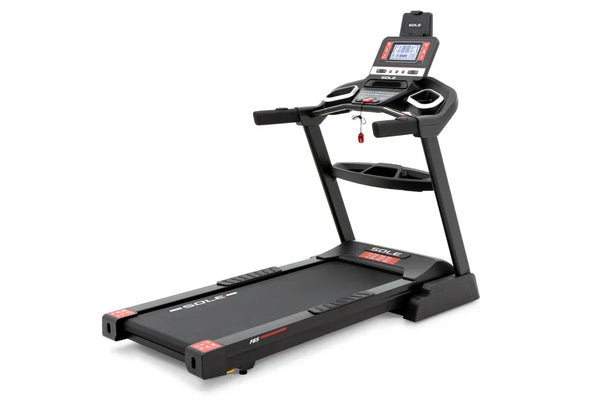
When adjustments and replacement stop helping and the deck itself is worn, upgrading is the smarter move. At SOLE Fitness, we build treadmills with heavy-duty frames, powerful motors, and the Cushion Flex Whisper Deck on models like the F85 and TT8. Shop our lineup and run on a belt that stays centered.
Frequently Asked Questions (FAQs)
Why does my treadmill belt drift to one side even after I adjust it?
If the belt continues to drift after repeated adjustments, the problem is likely uneven belt stretch, worn roller bearings, or an unlevel treadmill rather than roller alignment. Check that the machine is level and inspect the belt for wear. If the issue persists, the worn component will likely need to be replaced.
Can I run on a treadmill if the belt is slightly off-center?
While you can, it's not recommended. A belt that runs off-center creates uneven wear on the belt and deck and may become less stable during use. Correcting the alignment early helps prevent further damage and improves safety.
How tight should a treadmill belt be?
A treadmill belt should be tight enough to move smoothly without slipping, but not so tight that it creates unnecessary strain on the machine. A belt that's too loose may slip during use, while one that's too tight can increase wear on internal components. Check the tension regularly, especially after making tracking adjustments.
Do I need a technician to fix a drifting treadmill belt?
Many belt tracking issues can be fixed at home by leveling the treadmill, adjusting the rear roller, or lubricating the belt. However, if the belt continues to drift after these steps or you suspect worn bearings or other mechanical problems, it's best to have the treadmill inspected by a qualified technician.
How can I prevent my treadmill belt from drifting in the future?
Regular cleaning, proper lubrication, routine belt inspections, and keeping the treadmill level are the best ways to prevent belt drift. Choosing a well-built treadmill also helps. SOLE Fitness treadmills are designed with durable components and reliable construction to support consistent, long-term performance.
*Disclaimer: Products and prices mentioned in this article are accurate as of the date of publication and are subject to change. Please visit the official SOLE website for the most current information.