

Key Takeaways
- Vertical climbers engage your entire body, including arms, shoulders, core, and legs, while stair steppers focus almost entirely on the lower body.
- Both machines are low-impact, making them joint-friendly alternatives to running or jumping exercises.
- Calorie burn matters: vertical climbers tend to torch more calories in less time due to full-body muscle recruitment, burning 300–800+ calories per hour, compared with 400–600 calories per hour for stair steppers.
- Stair steppers win on simplicity; they have a shorter learning curve and are easier to jump on and use right away.
- For home gym users who want similar lower-body and cardio benefits without dedicated climbing equipment, the SOLE TT8 Treadmill, with 15% incline and -6% decline, simulates stair climbing and hill training, featuring commercial-grade construction and lifetime warranty coverage.
Vertical Climber vs Stair Stepper: Which Low-Impact Machine Wins?
Choosing between a vertical climber and a stair stepper comes down to one thing: what you actually want your body to do.
Both machines are staples you'll find at commercial gyms and increasingly in home setups, and both deliver solid cardiovascular conditioning without hammering your joints. The vertical climber demands effort from your upper and lower body simultaneously—there's no passive movement or coasting involved. The stair stepper focuses that effort on your lower body, building glutes, quads, and hamstrings through a simple, accessible motion.
Understanding the differences will help you choose the machine that matches your goals, or help you understand why incline treadmill training might deliver the benefits of both.
|
Award-Winning Commercial-Grade Treadmills for Your Home
Why Choose SOLE: ✓ Commercial-grade steel frames with up to 4.0 HP motors 30-Day Money-Back Guarantee: Love it or return it, no questions asked. |

What Is a Vertical Climber?
A vertical climber is a machine that simulates the motion of climbing; think rock climbing or ladder scaling, but in a controlled, gym-friendly format. You push and pull handles with your arms while simultaneously driving your knees upward in an alternating rhythm, moving your entire body in a coordinated, vertical pattern.
How the Vertical Climbing Motion Works
The movement pattern on a vertical climber is essentially a reciprocal climbing motion. As your right arm pulls down, your right leg drives up, and vice versa on the left side. This cross-body coordination mimics the natural gait pattern your body uses when climbing, which is why it feels both intuitive and immediately exhausting.
Most vertical climbers allow you to adjust your stroke length, the distance each limb travels per repetition. Shorter strokes increase cadence demand and feel more like a sprint, while longer strokes increase range of motion and engage muscles through deeper contractions.
Muscles Worked on a Vertical Climber
- Upper body: Biceps, triceps, deltoids, and upper back (lats and rhomboids) from the push-pull arm movement.
- Core: Obliques and deep stabilizers activate continuously to maintain upright posture and coordinate the cross-body movement.
- Lower body: Quadriceps, hamstrings, glutes, and calves drive each step upward.
- Cardiovascular system: With all major muscle groups working simultaneously, your heart rate spikes quickly and stays elevated throughout.
Who Is a Vertical Climber Best For?
Vertical climbers are ideal for people who want maximum output in minimum time. If your goal is high-calorie burn, full-body conditioning, or HIIT-style training without the joint stress of running, a vertical climber is hard to beat. That said, it does have a learning curve—first-timers often need a few sessions before the movement feels natural.
What Is a Stair Stepper?
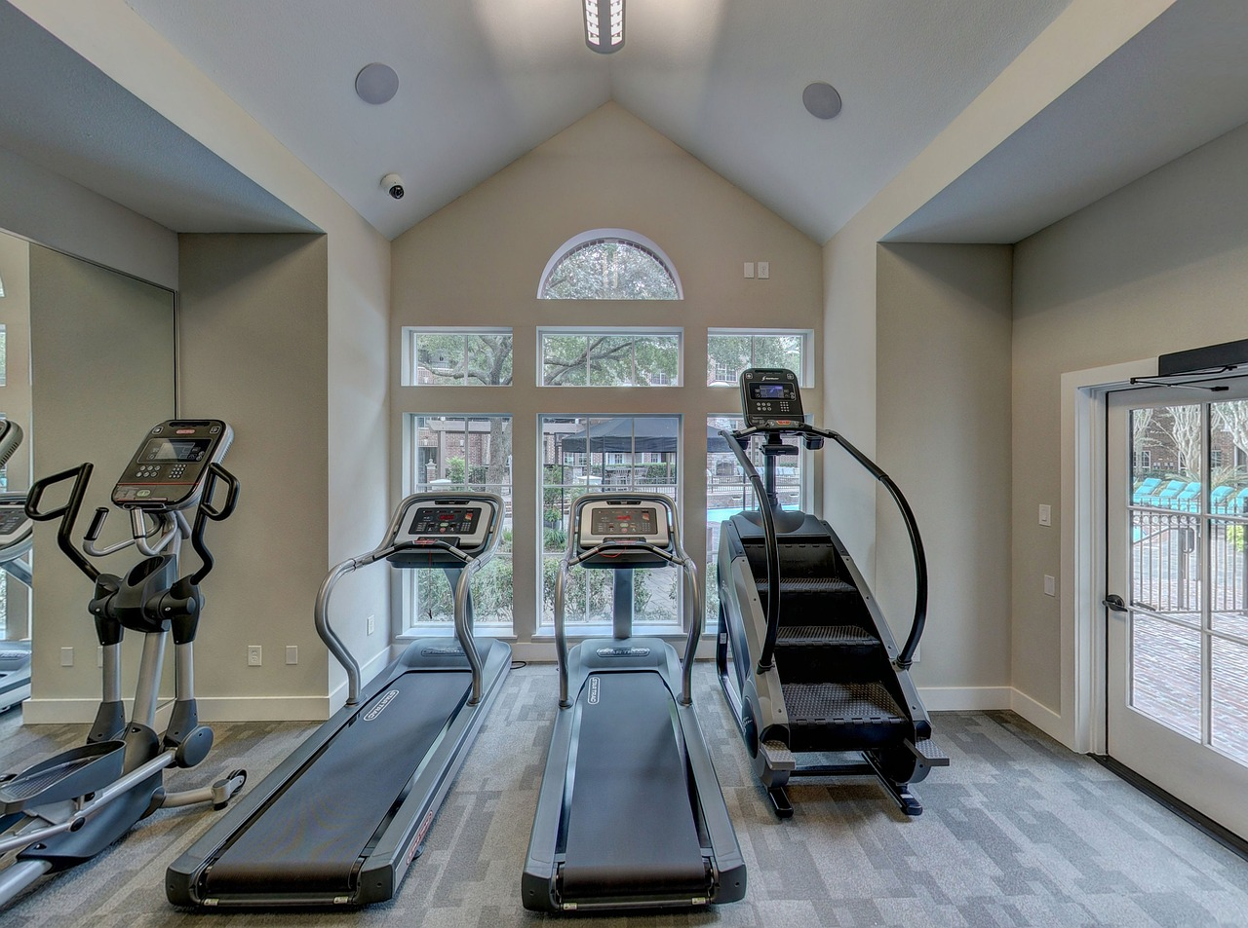
A stair stepper, also called a stair climber, simulates the act of walking up a continuous flight of stairs. The most recognizable version is the StairMaster, which features a rotating set of pedals or actual revolving steps that move downward as you step upward, creating an endless staircase effect.
How the Stair-Stepping Motion Works
Unlike the vertical climber's full-body coordination requirement, the stair stepper keeps things simple. You step on the pedals and begin pushing down in an alternating rhythm—left, right, left, right —while the machine's resistance determines how hard each step feels. Most modern stair steppers include handrails that users can lightly grip for balance, though gripping too hard reduces the workout's effectiveness.
The stepping motion is cyclical and consistent, which makes it easy to settle into a steady rhythm. This is one of the reasons stair steppers are popular for longer, steady-state cardio sessions where the goal is sustained effort over 30 to 60 minutes rather than short, intense bursts.
Muscles Worked on a Stair Stepper
The stair stepper is a lower-body specialist. The primary muscles engaged are the glutes, quadriceps, hamstrings, and calves. The glutes, in particular, take on a significant load with each step, which is why stair steppers have developed a strong reputation as a go-to machine for glute development and lower-body toning.
Core muscles engage passively to maintain balance, but the arms and upper back see virtually no activation unless you deliberately avoid using the handrails.
Key Differences Between a Vertical Climber and a Stair Stepper

A vertical climber simulates the motion of climbing, while a stair stepper simulates walking up a continuous flight of stairs through a simple, accessible motion.
Full-Body vs Lower-Body Engagement
This is the most fundamental difference between the two machines. A vertical climber recruits muscles from head to toe; your arms, shoulders, core, and entire lower body are working simultaneously. A stair stepper isolates the lower body, with minimal contribution from anything above the hips.
The practical impact of this difference shows up in how quickly your heart rate rises. Because the vertical climber demands more total muscle mass, your cardiovascular system is under greater stress from the very first minute. Stair steppers build intensity more gradually, which can actually be an advantage for users who are newer to cardio training or returning from injury.
Workout Intensity & Calorie Burn
When it comes to burning calories, the vertical climber has a significant edge. Because it activates more total muscle mass than virtually any other cardio machine, your body has to work harder to supply oxygen and fuel to all those working muscles at once.
The stair stepper is no slouch in the calorie department either. A vigorous 30-minute session on a stair stepper can burn a substantial number of calories, particularly when you avoid leaning on the handrails. However, because the movement is limited to the lower body, total energy expenditure will generally be lower than a comparable effort on a vertical climber at the same perceived exertion level.
The keyword here is efficiency. If you have 20 minutes and want to get the most metabolic return on that time investment, the vertical climber is the better tool. If you have 45 minutes and prefer a sustainable, rhythmic session that you can maintain without technique fatigue, the stair stepper becomes the more practical option.
Impact on Joints
Both machines are considered low-impact, meaning neither foot strike creates the jarring ground reaction force associated with running. This makes both good options for people managing knee discomfort, recovering from impact-related injuries, or simply looking to preserve joint health in the long term.
However, there is a nuance worth noting: the stair stepper's repetitive stepping motion can put stress on the knees and lower back if your posture breaks down or if you lean heavily on the handrails, which shifts load awkwardly through the lumbar spine.
The vertical climber, by contrast, keeps your body in a more natural upright position throughout. The movement distributes load across multiple joints rather than concentrating it at the knee, which many users with knee sensitivity actually find more comfortable than stair stepping for extended sessions.
Benefits of a Vertical Climber
Total-Body Cardio in Less Time
Because the vertical climber recruits your arms, core, and legs simultaneously, you accomplish in 20 minutes what might take 40 minutes on a machine that only works one region of the body.
This is not a marketing claim; it is basic exercise physiology. More muscle mass engaged means more oxygen is consumed, more calories are burned, and greater cardiovascular demand per unit of time.
This efficiency makes the vertical climber particularly valuable for people with busy schedules who still want a complete training stimulus.
Low-Impact but High-Intensity
The vertical climber sits in a rare category of exercise equipment that can genuinely be described as both low-impact and high-intensity at the same time. There is no jumping, no running, and no jarring contact with the ground, yet your heart rate can reach near-maximal levels within the first few minutes of use.
This combination is particularly valuable for athletes in heavy training blocks who need cardiovascular conditioning without adding more impact stress to already loaded joints.
Adjustable Resistance for All Fitness Levels
Vertical climber machines allow you to adjust both resistance level and stroke length, making them scalable from rehabilitation-level effort to elite athletic conditioning. Shortening the stroke length and reducing resistance allows beginners to build coordination and aerobic base, while advanced users can increase stroke length and crank up resistance to create an extraordinarily demanding training stimulus.
Benefits of a Stair Stepper
Targeted Lower-Body Strength Building
Each step on a stair stepper is essentially a single-leg press against resistance, repeated hundreds of times per session. Over time, this accumulates into a meaningful training stimulus for the glutes, quadriceps, and hamstrings. Leaning slightly forward at the hips during stepping further activates the glutes, a small technique adjustment that makes a noticeable difference in results.
Steady-State Cardio Made Simple
Not every cardio session needs to be a battle. Sometimes the goal is zone 2 training: sustained, moderate-intensity effort that builds aerobic base, supports recovery, and improves metabolic efficiency. The stair stepper is purpose-built for this kind of work.
You can set a comfortable speed, find your rhythm, and maintain it for 30 to 60 minutes without the technique demands that make high-intensity vertical climbing unsustainable for longer durations. This makes it a practical daily-use machine for people building an aerobic base or using cardio as active recovery between strength training sessions.
Built-In Programs & Heart Rate Monitoring
Modern stair steppers come equipped with onboard workout programs, touchscreen consoles, and integrated heart-rate monitoring via chest straps or hand sensors. These features make it easy to structure workouts around specific heart rate zones or follow guided interval protocols without manually adjusting settings throughout the session.
Vertical Climber vs Stair Stepper: Comparison Table
|
Factor |
Vertical Climber |
Stair Stepper |
|
Calories Burned/Hour |
300–800+ |
400–600 |
|
Primary Muscles |
Arms, shoulders, back, core, glutes, quads, hamstrings, calves |
Glutes, quads, hamstrings, calves |
|
HIIT Suitability |
Excellent |
Good |
|
Steady-State Cardio |
Moderate (hard to sustain long) |
Excellent |
|
Time to Reach Target HR |
Very fast (60–90 seconds) |
Moderate (2–4 minutes) |
|
Afterburn Effect (EPOC) |
Very high |
Moderate |
|
Learning Curve |
Moderate (2–3 sessions) |
Very low (immediate) |
|
Ideal Session Length |
15–30 minutes |
30–60 minutes |
|
Glute Development |
Good |
Excellent |
|
Upper Body Development |
Good |
None |
|
Weight Loss Efficiency |
Excellent (time-efficient) |
Good (sustained sessions) |
|
Endurance Building |
Moderate |
Excellent |
|
Space Required |
Minimal (~2' x 3') |
Moderate (~4' x 3') |
|
Gym Availability |
Limited |
Very common |
|
Noise Level |
Quiet |
Quiet to moderate |
|
Multitasking Ability |
Difficult (coordination required) |
Easy (rhythmic motion) |
|
Best For |
HIIT, full-body efficiency, time-crunched |
Glute building, steady-state, beginners |
Get Stair-Climbing Benefits With SOLE Incline Treadmills

Unlike a dedicated stair stepper, an incline treadmill also handles flat walking, jogging, running, and interval training—one machine, unlimited workout variety.
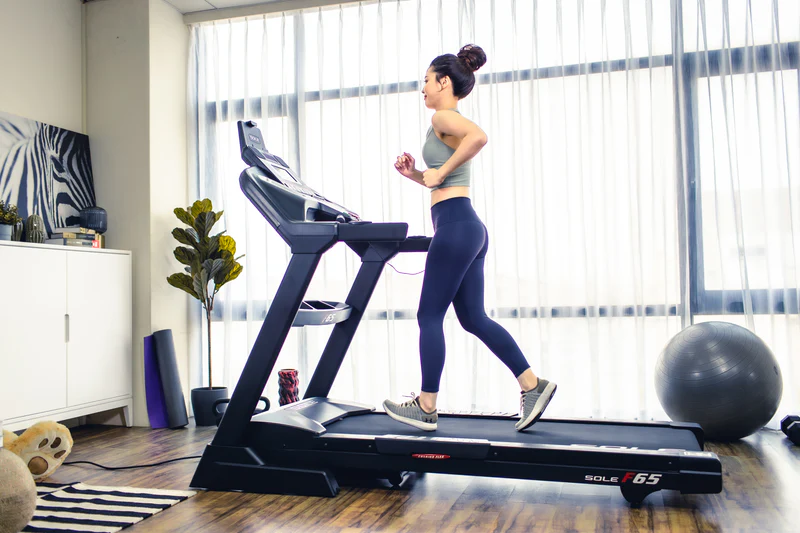
At a 10–15% incline, treadmill walking closely mimics the mechanics of stair-stepping. Your glutes, hamstrings, and calves work hard to push your body upward against gravity, the same muscle recruitment pattern that makes stair steppers effective for lower body development.
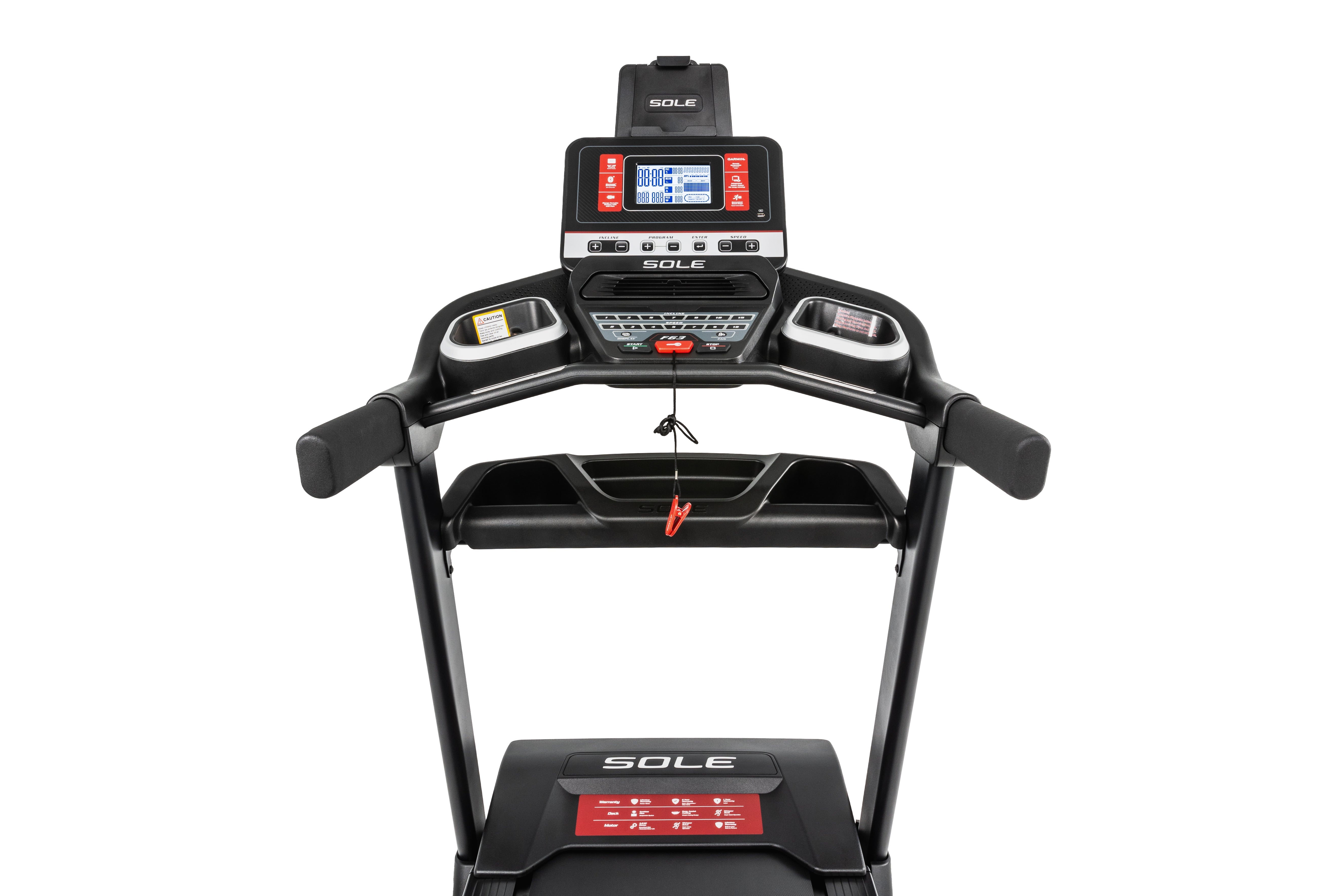
The SOLE TT8 Treadmill delivers the ultimate incline training experience for serious athletes. With 15 levels of incline plus 6% decline capability, it's the only machine that provides complete terrain simulation—uphill climbs that rival any stair stepper, plus downhill training that builds eccentric strength and prepares your body for real-world hiking.
The 4.0 HP motor maintains consistent power through the steepest inclines, and the 400-pound weight capacity handles heavy users and high-intensity intervals without strain. The non-folding commercial-grade construction provides rock-solid stability at maximum incline, no wobble, no flex.
The SOLE F85 Treadmill combines premium incline capability with space-saving convenience. The same 15 incline levels in a folding design with Easy Assist technology, a 4.0 HP motor, and a 15.6" touchscreen with built-in Netflix, YouTube, and Spotify streaming. For home gyms where space efficiency matters, the F85 delivers serious incline training that folds away when you're done.
The SOLE F80 Treadmill provides the sweet spot of incline capability and value. With 15 incline levels, a 3.5 HP motor, and a spacious 22" x 60" running surface, the F80 handles everything from fat-burning incline walks to high-intensity intervals.
The Cushion Flex Whisper Deck reduces joint impact by 40% compared to road running, protecting your knees through thousands of miles while still delivering the lower-body conditioning that stair steppers provide.
Every SOLE treadmill includes a lifetime warranty on frame and motor, the FREE SOLE+ App with hundreds of workout classes, and commercial-grade construction trusted in homes and hotels.
Ready to get stair-climbing benefits with more versatility? Shop SOLE treadmills today!
Frequently Asked Questions (FAQs)
Is a vertical climber better than a stair stepper for weight loss?
Generally, yes, the vertical climber has an edge for weight loss because it burns more calories per minute. Because it activates both the upper and lower body simultaneously, your body recruits more total muscle mass, which requires more energy and results in greater calorie expenditure over the same time period.
Which machine is better for building glutes: a vertical climber or a stair stepper?
The stair stepper wins for targeted glute development. Each step is essentially a single-leg press against resistance, repeated hundreds of times per session. This high-rep loading pattern creates significant glute activation, especially when you lean slightly forward at the hips and avoid holding the handrails.
Can I get the benefits of a stair stepper from a treadmill?
Yes, incline treadmill walking at 10–15% grade closely mimics the muscle engagement and cardiovascular demand of stair stepping. The glutes, hamstrings, and calves work hard to push your body upward against gravity, just as they do on a stair stepper. Many fitness programs, including the popular 12-3-30 workout (12% incline, 3 mph, 30 minutes), leverage incline treadmill walking specifically because it delivers stair-climbing benefits with more adjustability.
Are vertical climbers safe for beginners?
Yes, vertical climbers are safe for beginners, but they require a patient approach. Start with short sessions of 10 to 15 minutes at a reduced stroke length and low resistance. Focus on getting the coordination right before increasing intensity—the alternating arm-and-leg rhythm should feel smooth before you start pushing pace or resistance.
Why should I choose a SOLE treadmill over a dedicated stair stepper?
SOLE treadmills deliver stair-climbing benefits through 15 levels of incline that replicate stair stepper muscle engagement—plus flat walking, jogging, running, and interval training that dedicated stair steppers cannot provide.
The Cushion Flex Whisper Deck technology reduces joint impact, protecting your knees through thousands of miles. Lifetime frame and motor warranties reflect commercial-grade construction, and the FREE SOLE+ App provides hundreds of workout classes without subscription fees.
*Disclaimer: Products and prices mentioned in this article are accurate as of the date of publication and are subject to change. Please visit the official SOLE website for the most current information.


Leave a comment
This site is protected by hCaptcha and the hCaptcha Privacy Policy and Terms of Service apply.