Key Takeaways
-
Treadmill squeaks typically come from insufficient belt lubrication, misaligned or worn belts, loose frame bolts, or dust buildup around the motor and belt.
-
Belt-related squeaks are the most common cause and can usually be fixed by lubricating with 100% silicone oil, adjusting belt tension, or replacing a worn belt.
-
Frame and motor squeaks require checking bolt tightness across the machine, cleaning motor vents of debris, and confirming the machine sits level on a stable surface.
-
Prevention includes planned lubrication, keeping the surrounding area clean, using a treadmill mat, and staying within the machine's weight capacity.
-
At SOLE Fitness, we engineer our treadmills for quiet, long-term operation with Cushion Flex Whisper Decks on select models and commercial-grade steel frames, and we back every purchase with a 30-day satisfaction guarantee.
What Your Treadmill Is Telling You When It Squeaks
A squeak is your treadmill flagging friction somewhere in the drive system. In most cases, the belt and deck have lost the silicone layer that keeps them gliding smoothly, so direct surface contact produces the high-pitched noise you hear mid-run. The sound typically gets louder at higher speeds because the belt is cycling faster across a dry deck, which is also why a machine can sound fine during a warm-up and turn noisy once you pick up the pace.
Where the squeak lands during your stride narrows the cause. A noise that spikes on push-off usually points to belt tension or lubrication, while a consistent squeak regardless of foot placement suggests loose frame bolts, debris in the roller path, or worn bearings. Treating the wrong source is the most common reason a squeak comes back a week after someone tries to fix it.
The fixes covered below work on most home treadmills, but how often problems return depends on the machine's build quality. Cheaper frames flex under load and loosen hardware faster, while heavier, commercial-grade construction holds alignment longer between maintenance cycles.
|
Award-Winning Commercial-Grade Treadmills for Your Home
Why Choose SOLE: ✓ Commercial-grade steel frames with up to 4.0 HP motors 30-Day Money-Back Guarantee: Love it or return it, no questions asked. |

The Most Common Causes of a Squeaky Treadmill
Loose Belt Tension
A loose belt is one of the most frequent reasons a treadmill starts squeaking. When the walking belt isn't tight enough, it sags and rubs against the edges of the deck as it moves, creating a consistent friction noise that gets worse the faster you go. You'll usually notice this squeak most when you're pushing off, when belt load is highest.
Lack of Lubrication on the Belt or Rollers
Friction between the belt and the deck is another common source of treadmill squeaking, and it almost always comes down to insufficient lubrication. As the belt continuously slides across the deck surface, the lubricant layer between them wears thin. Once that protective layer is gone, direct contact between the belt and deck creates the high-pitched squeak most runners recognize immediately.
Loose Frame Hardware
Not every squeak comes from the belt. Every running stride sends vibration through the frame, and over months that vibration backs bolts out a fraction of a turn at a time. Once a connection at the console mount, side rails, or deck supports goes slack, the two surfaces shift against each other on every footfall and squeak.
The giveaway is a noise that stays consistent no matter where you land on the belt or how fast you run, since it tracks your footstrike rather than belt speed. Lighter frames flex more under load and loosen faster, which is why hardware squeaks show up earlier on budget machines.
Dust & Debris Buildup
If your treadmill is in a garage, basement, or high-traffic room, dust and debris accumulate under and around the belt faster than you'd expect. This buildup works its way between the belt and rollers, creating friction points that result in squeaking. Even carpet fibers from a nearby rug can get into the machine and cause noise.
Worn-Out Rollers or Motor Belt
Sometimes the squeak isn't coming from the walking belt at all. It may originate from the rollers or the motor belt. Rollers develop flat spots and bearing wear over time, particularly on machines that see heavy daily use. The motor belt, which connects the motor to the front roller, can also fray or stretch and produce a squeaking or slapping sound.
How to Fix a Squeaky Treadmill
1. Lubricate the Belt & Deck
Dry belt-to-deck contact is one of the most common causes, so start here. Lift the edge of the belt and run your finger along the deck surface. If it feels dry or tacky instead of slick, the silicone layer has worn through and needs replacing. Use a 100% silicone-based lubricant, never WD-40 or petroleum-based products, and follow the step-by-step process below.
Step-by-Step Lubrication Process
-
Unplug the treadmill before doing anything.
-
Loosen the belt slightly using the rear tension bolts so you can lift the edge enough to apply lubricant underneath.
-
Lift one side of the belt and reach under it about 18 inches back from the motor cover, 4 to 6 inches in from the belt edge. Apply a line of lubricant roughly 1/8 inch wide and 15 inches long in an S pattern running across the deck.
-
Repeat on the other side of the belt, applying the same amount of lubricant evenly.
-
Re-tension the belt to the correct 2 to 3 inch lift specification.
-
Run the treadmill at low speed for two to three minutes without stepping on it. This spreads the lubricant evenly across the full deck surface.
-
Wipe away any excess lubricant that squeezes out from the belt edges with a clean cloth.
2. Tighten & Align the Belt
If lubrication doesn't resolve the noise, belt tension or alignment is the next most likely cause. Using a 6mm Allen wrench, turn each rear tension bolt clockwise in small, equal increments until the belt lifts 2 to 3 inches at the center. Then run the machine at low speed and watch whether the belt tracks straight or drifts to one side.
A belt that pulls sideways will rub against the frame on every cycle. SOLE treadmills use a single tracking bolt on the left side: turn it a quarter clockwise if the belt pulls left, a quarter counterclockwise if it pulls right.
3. Tighten Frame Hardware
Walk around the machine and check every visible bolt, starting at the console mount and side rails. Frame bolts loosen gradually through vibration, especially on lighter machines, and a single loose connection can transmit noise across the entire frame. Hand-check each one with the appropriate wrench and snug anything that gives. If the machine rocks on the floor, level it before retesting, because an uneven base amplifies vibration into the frame.
4. Inspect Rollers & the Motor Belt
If the squeak persists after lubrication, tension, and frame checks, the source may be deeper in the drive system. Spin each roller by hand with the machine unplugged and feel for roughness, grinding, or resistance. A frayed motor belt or a roller with worn bearings needs replacement, not adjustment.
5. Test at Slow Speed Before Full Use
Start the treadmill at its lowest setting and listen for any remaining noise. Walk on it at a moderate pace for two to three minutes, then gradually increase speed. This step confirms the fix held under load and catches any remaining friction before it worsens. If the squeak returns only at higher speeds, revisit belt tension first, since the added force of a harder push-off exposes a slightly loose belt that passed the low-speed test.
How to Prevent Your Treadmill From Squeaking Again
-
Lubricate the Belt Every 90 Hours of Use or Every 3 Months: Most people only think about lubrication after the squeak comes back, but staying ahead of it means you never have to deal with that noise in the first place. Consistent lubrication also prevents premature belt and deck wear, which are far more expensive to fix than a bottle of silicone lubricant.

Lubrication is an effective maintenance step you can take to prevent and eliminate treadmill squeaking.
-
Check Belt Tension Monthly: Belt tension naturally loosens over time with regular use. A quick monthly lift test takes about 30 seconds and immediately tells you whether you need an adjustment. Catching a loose belt early prevents slipping, squeaking, or uneven deck wear that shortens your machine's life.
-
Clean the Treadmill After Every Few Uses: Dust, debris, and sweat residue are constant enemies of a quiet treadmill. After every three to four sessions, wipe down the belt surface, the deck edges, and the area around the rollers with a dry or lightly damp cloth. Every few weeks, use a vacuum or compressed air to clear out the area under the motor hood.
-
Inspect Moving Parts for Wear Regularly: Every one to two months, do a quick visual inspection of the key moving parts, including the belt edges, rollers, and motor belt. Catching these signs of wear early means you can order replacement parts before a minor issue becomes a full breakdown.
Enjoy Whisper-Quiet Runs With SOLE Fitness Treadmills

SOLE Fitness offers a range of treadmills all backed by a 30-day satisfaction guarantee.
The right maintenance schedule extends the life of most treadmills, but the machine's underlying quality determines how often problems appear in the first place. Cheaper treadmills tend to develop squeaks quickly, regardless of maintenance. As such, investing in the right machine from the start eliminates most noise problems before they begin.
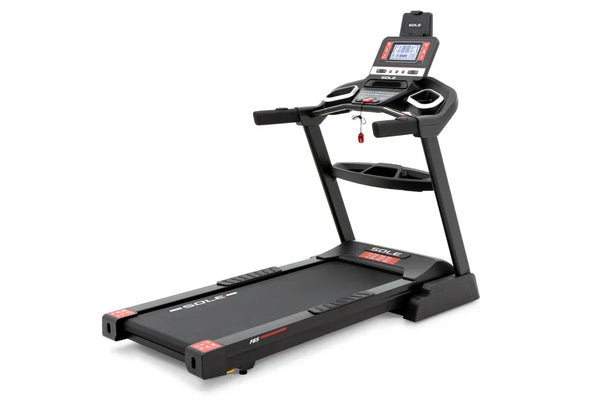
At SOLE Fitness, our F80, F85, F89, and TT8 treadmills include the Cushion Flex Whisper Deck, which dampens vibration and impact noise through daily use. Our commercial-grade steel frames stay tight without developing the flex that causes bolt-based squeaks in lighter machines. Shop SOLE Fitness treadmills today.
Frequently Asked Questions (FAQs)
Is it cheaper to fix or replace a treadmill?
In most cases, fixing a treadmill is significantly cheaper than replacing it, especially when the issue is something like a worn belt, dry deck, or failing roller. If your treadmill is still relatively new and the issue is mechanical rather than electrical, repair is usually the more economical route. Squeaking specifically caused by belt tension, lubrication, or debris costs next to nothing to fix and should never be a reason to replace an otherwise functional machine.
What is the best way to lubricate a treadmill?
The best way to lubricate a treadmill is to use a 100% silicone-based lubricant applied directly to the center of the deck surface beneath the walking belt. Loosen the belt slightly, lift one edge, and apply the lubricant in an S pattern across the deck about 18 inches back from the motor cover. Repeat on the other side, re-tension the belt, then run the machine at low speed for 2 to 3 minutes without stepping on it to distribute the lubricant evenly across the full deck.
What is the average lifespan of a treadmill?
A well-maintained home treadmill typically lasts 7 to 12 years. Commercial-grade treadmills used in gyms are built for higher load cycles and can last significantly longer with proper servicing. The biggest factors affecting lifespan are usage frequency, user weight load relative to the machine's rated capacity, and how consistently the machine is lubricated and maintained.
What does it mean when a treadmill squeaks?
A squeaking treadmill is signaling friction somewhere in the system. This friction is most commonly between the walking belt and the deck due to insufficient lubrication, a loose or misaligned belt rubbing against the frame, dust and debris caught in the roller or belt path, or worn rollers and motor belt components that need replacement.
What is the most reliable treadmill brand?
Treadmill reliability comes down to frame construction, motor quality, and warranty coverage. At SOLE Fitness, our treadmills stand out for their commercial-grade frame construction, motors up to 4.0 HP, and lifetime frame and motor warranties across models like the F80, F85, F89, and TT8. Every SOLE treadmill comes with the free SOLE+ app for instructor-led workouts, with standard curbside delivery.
*Disclaimer: Products and prices mentioned in this article are accurate as of the date of publication and are subject to change. Please visit the official SOLE website for the most current information.