

Key Takeaways
- Combining both cardio and weight training produces 2–3 times greater belly fat reduction than either approach alone.
- Cardio workouts burn more calories during the session itself (300–700 calories per hour), while weight training creates an afterburn effect that continues burning calories for up to 48 hours.
- Each pound of muscle burns approximately 6–10 extra calories per day at rest, meaning adding 5 pounds of muscle increases your weekly calorie burn by 250–350 calories.
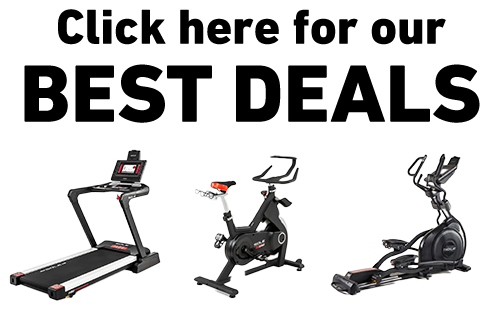
- SOLE treadmills provide the cardio foundation with Cushion Flex technology, reducing impact by 40%, while the SW180 Adjustable Dumbbells deliver the resistance training component.
Why Belly Fat Is So Stubborn
Belly fat is notoriously difficult to lose. Visceral fat, the deep abdominal fat surrounding your organs, releases hormones and inflammatory substances that increase your risk of heart disease, type 2 diabetes, and other serious conditions.
Unlike fat elsewhere, belly fat is heavily influenced by cortisol, making it especially resistant to traditional weight loss approaches.
Cardio excels at burning calories during your workout, creating the caloric deficit necessary for fat loss. Weight training offers something cardio cannot: muscle development that increases your metabolic rate long-term, with each pound of muscle burning 6–10 additional calories daily at rest.
|
Premium Home Gym Equipment with Award-Winning Quality! Complete Your Home Gym:
Why Choose SOLE: ✓ Commercial-grade quality for home use 30-Day Money-Back Guarantee: Love it or return it, no questions asked. |

Cardio Workouts: How They Burn Belly Fat

Cardiovascular exercise directly targets fat stores by increasing your heart rate and forcing your body to use fat as fuel.
Cardiovascular exercise targets fat stores by elevating your heart rate, forcing your body to use stored fat as fuel. This is because aerobic exercise is more effective than resistance training alone for reducing visceral fat.
Calories Burned
Running at 6 mph burns approximately 370 calories in 30 minutes. The rowing machine burns 310 calories while engaging 86% of your muscles. Jumping rope burns 330 calories with significant core activation.
HIIT vs Steady-State
HIIT participants exercising just 20 minutes three times weekly can see a 17% reduction in visceral fat after 12 weeks. This efficiency comes from HIIT's ability to keep your metabolism elevated for up to 24 hours post-workout. The ideal approach combines 2-3 weekly HIIT sessions with 1-2 longer steady-state workouts.
Weight Training: The Secret Weapon

Resistance training creates lasting metabolic changes that transform your body into a more efficient fat-burning machine through muscle development and the afterburn effect.
Weight training creates lasting metabolic changes that cardio simply cannot match. Muscle tissue burns 6–10 calories per pound daily at rest, compared to 2–3 calories for fat. Adding 5 pounds of muscle through consistent training burns an additional 250–350 calories weekly without changing anything else.
The Afterburn Effect
Unlike cardio, which returns your metabolism to baseline within an hour, intense resistance training elevates your metabolic rate for up to 38 hours. This prolonged calorie burn occurs because weight training creates microtears requiring significant energy to repair.
Compound Exercises
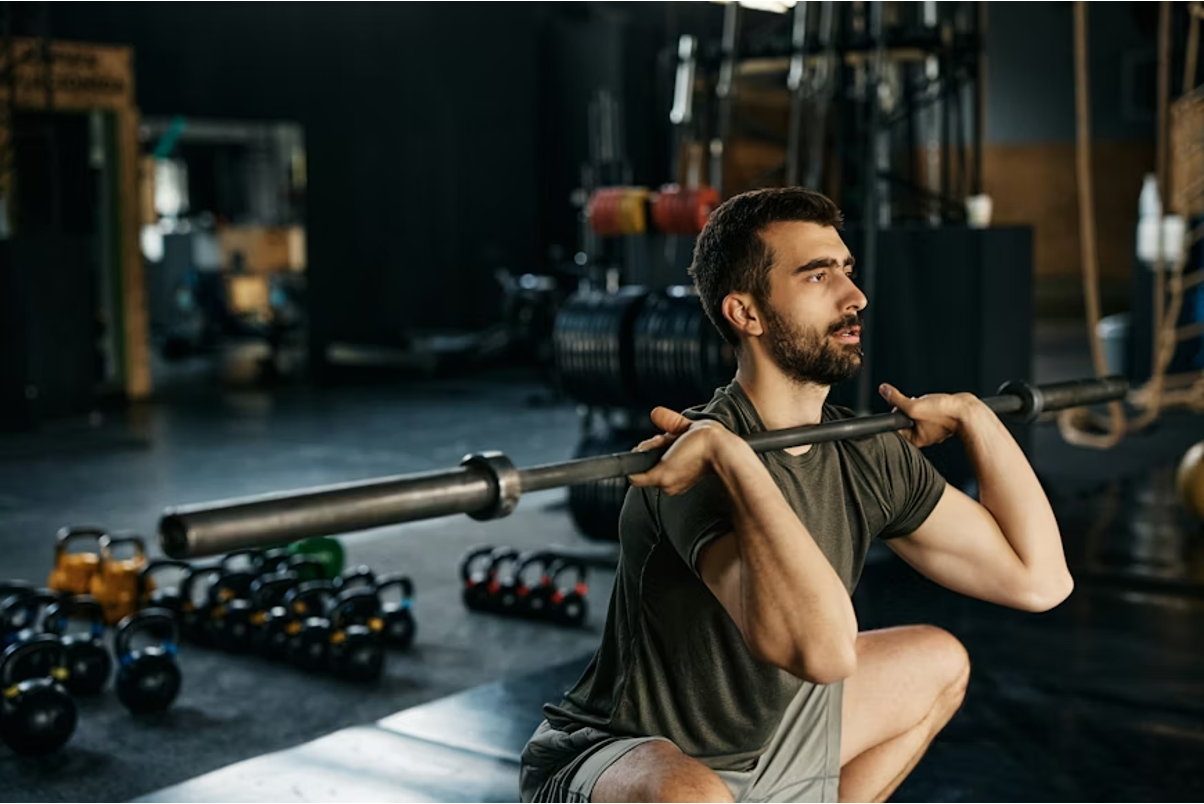
Squats, deadlifts, bench presses, rows, and overhead presses form the foundation of effective fat-loss training. These multi-joint movements engage multiple large muscle groups simultaneously, creating metabolic demand that far exceeds isolation exercises.
Core Training for Visible Results
Effective core strengthening extends beyond crunches to include movements challenging your abs through multiple planes. Exercises like hanging leg raises, weighted Russian twists, and plank variations build comprehensive core strength.
Approach core training with progressive overload—gradually increasing resistance and difficulty to continuously challenge your abdominal muscles.
Cardio vs Weight Training Comparison Table
|
Factor |
Cardio |
Weight Training |
|
Calories burned per session |
300–700 calories/hour |
200–400 calories/hour |
|
Afterburn effect |
Up to 24 hours (HIIT) |
Up to 48 hours |
|
Metabolic impact |
Temporary elevation |
Long-term increase (6–10 cal/lb muscle/day) |
|
Visceral fat reduction |
Direct targeting through elevated heart rate |
Indirect through increased muscle mass |
|
Best exercises |
Running, rowing, jumping rope, HIIT |
Squats, deadlifts, bench press, rows |
|
Recommended frequency |
3–4 sessions/week |
2–3 sessions/week |
|
Time to see results |
4–6 weeks (subtle), 8–12 weeks (noticeable) |
8–12 weeks for muscle development |
|
Primary benefit |
Immediate calorie burn |
Builds fat-burning muscle tissue |
Attack Belly Fat From Every Angle With SOLE

The combination of treadmill cardio, dumbbell resistance training, and rowing creates the comprehensive system research shows produces optimal belly fat reduction.
The SOLE F63, F80, F85, and F89 Treadmills provide cardiovascular training targeting visceral fat, with Cushion Flex technology reducing impact by 40% and 15 incline levels supporting both steady-state and HIIT protocols.
The SW180 and SW155 Adjustable Dumbbells deliver resistance training, building muscle that burns 6-10 extra calories per pound daily. The Equipment Mat supports core training, while the SR550 Rowing Machine combine cardio and resistance by engaging 86% of muscles.
The FREE SOLE+ App provides structured programs with workout schedules, HIIT protocols, and progress tracking.
Ready to attack belly fat from every angle? Check out SOLE’s collection today!
Frequently Asked Questions (FAQs)
How long will it take to see results from combined training?
Most people notice subtle changes within 4–6 weeks, including improved energy and muscle tone. For noticeable belly fat reduction, research indicates 8–12 weeks when following a program with 3–4 cardio sessions and 2–3 weight training sessions weekly.
Should I do cardio and weights on the same day?
Separating cardio and resistance training by 24 hours can result in 25% greater strength improvements. However, if time is limited, same-day training still delivers excellent results.
Is morning or evening better for belly fat exercises?
Morning fasted cardio may increase fat oxidation by up to 20% compared to post-meal workouts. However, evening workouts show 5–10% better performance due to peak body temperature.
Can I lose belly fat without changing my diet?
Exercise alone typically produces modest results of 5–10% fat reduction. For significant results, create a caloric deficit through both increased expenditure and decreased intake, with protein intake of 1.6–2.2 grams per kilogram of body weight daily.
How does SOLE equipment support a combined cardio and weight training program for belly fat reduction?
SOLE treadmills deliver the cardiovascular foundation essential for targeting visceral fat. For steady-state sessions, walk or jog at 65–75% of maximum heart rate for 30–45 minutes.
For HIIT sessions proven to reduce visceral fat by 17%, alternate 30-second sprints with 60-second recovery for 20 minutes. The Cushion Flex technology reduces impact by 40%, protecting joints for the consistent training that research shows predicts outcomes. The 15 incline levels enable calorie-maximizing incline walking at 8–12% grade.



Leave a comment
This site is protected by hCaptcha and the hCaptcha Privacy Policy and Terms of Service apply.