Key Takeaways
-
Healthy adults in their 20s average about 1 minute 30 secs for women and 1 minute 45 seconds for men, with both dropping to 20 to 30 seconds by 60 and over.
-
Plank endurance varies enormously between individuals, so an undertrained 25-year-old can easily fall short of a consistent 55-year-old.
-
Duration only counts with clean form, because a sagging lower back, flared hips, or shrugged shoulders means your body is compensating around the core instead of bracing it.
-
Past two minutes, extra seconds add endurance rather than strength, so RKC planks, single-leg planks, shoulder taps, and weighted holds become the better progression.
-
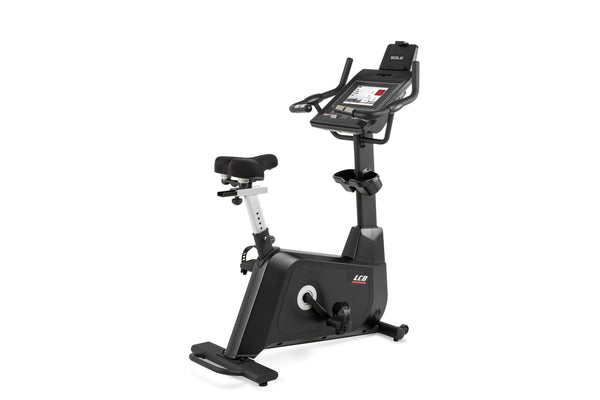
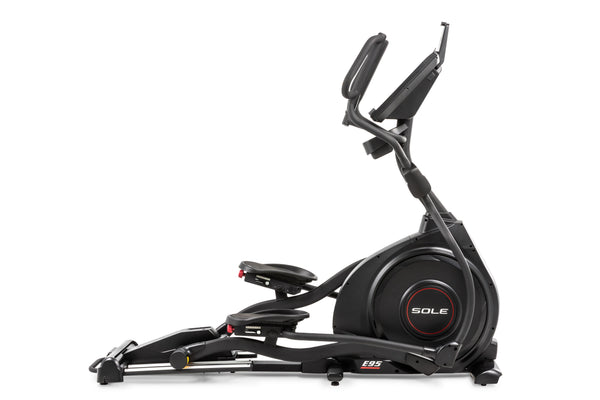
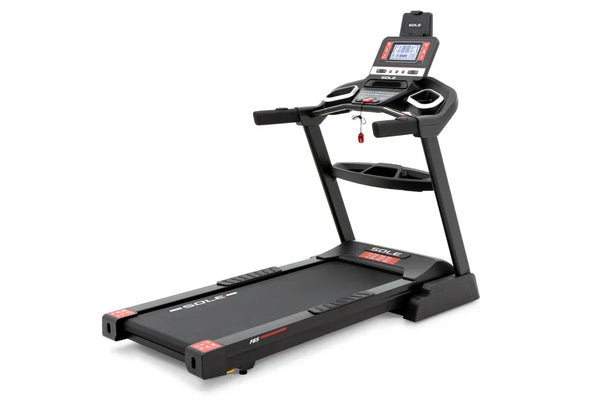
SOLE Fitness builds treadmills, ellipticals, bikes, and rowers that pair cardio with your core work, backed by free curbside shipping and a 30-day risk-free trial.
Why Does Plank Duration Matter?
Plank duration matters because it shows how long your core can hold your spine in a rigid, neutral position before it starts to give, which is the same endurance that protects your back during lifting, running, and everyday movement. Age-based averages give you a reference point, running from roughly a minute and a half in your 20s down to 20 to 30 seconds after 60.
The number stops meaning anything the moment your form slips, so the honest measure is your last clean second, not your longest one. Duration also has a ceiling, because once you can hold two clean minutes, more time builds stamina rather than strength, and harder variations become the smarter progression.
Core work like this works best alongside steady cardio, which is where your equipment matters. At SOLE Fitness, we build treadmills, ellipticals, bikes, and rowers for home use, so you can train endurance and core strength in the same space without a gym membership.
|
Premium Home Gym Equipment with Award-Winning Quality! Complete Your Home Gym:
Why Choose SOLE: ✓ Commercial-grade quality for home use 30-Day Money-Back Guarantee: Love it or return it, no questions asked. |

Average Plank Hold Times by Age
Under 20
Teenagers and adults under 20 can typically hold a plank for 1 to 2 minutes, with no meaningful difference between young men and young women at this stage. Form matters more than duration here, since the movement pattern is still being learned.
Ages 20 to 29
Muscular output peaks in your 20s, which puts core endurance potential at its highest. Women in this decade can expect around 1:30, and men around 1:45.
Many people in their 20s are still undertrained, particularly those who lift or run without dedicated core work. Youth alone does not produce a strong plank, so test yours rather than assuming.

Core endurance in your 20s responds to training, and age alone will not build it.
Ages 30 to 39
Those who train regularly hold up well through this decade. Men often maintain around 1:45, matching their 20s, while women average closer to 1:15.
Muscle mass begins declining from around age 30, so consistency matters more than it did previously. Desk work and reduced activity accelerate the drop for anyone who stops deliberately training the core.
Ages 40 to 49
This is where most people notice the first clear decline. Women in their 40s average 50 to 60 seconds, and men 1:00 to 1:15.
Women face an additional factor here, since perimenopause typically begins in the mid-40s and the drop in estrogen is linked to loss of muscle mass and strength. Regular plank training becomes more valuable in that window.
Ages 50 to 59
Women can expect 40 to 45 seconds in this decade, and men around 1:00. Muscle fiber recruitment slows, recovery takes longer, and connective tissue tolerates less, all of which affect how long you can hold a rigid position without compensating.
None of that is a reason to stop training. Three holds of 30 to 45 seconds with clean form, four or five days a week, build more usable core strength than one weekly maximum attempt.
Ages 60 & Over
A 20- to 30-second hold is the benchmark at 60 and over, and it applies equally to men and women. The goal shifts from maximum endurance toward the core strength that supports balance, posture, and injury prevention, since hip stability and spinal support depend on the same muscles the plank trains.
Anyone new to planks or returning after time off can start with wall planks or knee planks. Both reduce wrist and shoulder strain while still loading the core, and short daily holds add up over weeks.

Older adults can build meaningful core strength with shorter holds, and consistency matters more than the time on the clock.
What Is a Good Plank Time for Your Fitness Level?
Limited Mobility
If you're working around an injury, a joint restriction, or a long break from exercise, aim for 10 to 20 seconds. Wall planks and knee planks both count, and either builds the bracing pattern without loading the wrists and shoulders.
New Exerciser
At 20 to 30 seconds, you are learning to coordinate the deep stabilizing muscles of the core, which takes time before they can sustain longer efforts. The most common error at this stage is letting the lower back arch or the hips rise as fatigue sets in. Stop the set the moment your form breaks, rest, then go again.
Intermediate
Holding 1 to 2 minutes with clean form marks intermediate level. The focus now shifts from surviving the hold to actively producing tension throughout it: squeeze the glutes, tighten the abdominals, and pull the shoulder blades down and back. That deliberate effort turns a passive hold into a strength drill.
Advanced
Two minutes or more with clean form is advanced territory. Once you can pass two minutes with locked-in form, extra seconds return less and less, so the useful move is to make the exercise harder instead. RKC planks, shoulder taps, single-leg planks, and weighted planks all challenge the core through new angles and instability.
Plank Progressions to Build Time Safely at Any Age
1. Start With Knee Planks to Build the Foundation
Knee planks help you build the bracing pattern you need before loading a full plank. Shortening the lever lets you focus on tightening the abdominals, aligning the spine, and breathing steadily, rather than fighting collapsing hips or shaking shoulders.
Once you can hold a knee plank for about 45 seconds with level hips, a neutral spine, and controlled breathing, move to the full forearm plank. The pattern will already feel familiar, so the full version will feel stronger from the first attempt.

A full high plank asks for total-body tension, which is exactly the bracing pattern knee planks teach you first.
2. Add Time in Small Weekly Increments
Jumping from 20 seconds to 60 seconds in a week almost always backfires. Instead, add 5 to 10 seconds to your target hold each week.
That keeps the challenge manageable, gives your deep stabilizers time to adapt between sessions, and keeps your form tight as the duration climbs. Small increases compound into significant progress across six to eight weeks.
3. Move to Harder Variations Before Chasing Longer Holds
Once you can hold a clean forearm plank for 120 seconds, making the exercise harder beats making it longer. The RKC plank, also called the hardstyle plank, sharply increases full-body tension by contracting every muscle at once, turning a 20-second hold into a serious effort.
Single-leg planks, shoulder taps, and forearm-to-high-plank transitions add instability and movement, challenging the core in ways a longer hold cannot.
Safety, Injury Prevention & Common Mistakes

A mat cushions your elbows, so you can hold the position without the surface being the limiting factor.
Muscle shaking is normal, but sharp pain is a red flag, especially in the back, wrists, or shoulders. Use a mat or soft surface to avoid pressure on your elbows and knees.
It’s also important not to overdo it. Daily max planks can backfire, so rest days matter too. If you ever feel chest tightness, shoulder pinching, wrist discomfort, or lingering back soreness, ease up and tweak your form. And if you have any health concerns, talk with your doctor first.
Average Plank Hold Times Summarized
|
Age Range |
Women |
Men |
|
Under 20 |
1–2 min |
1–2 min |
|
20–29 |
1:30 min |
1:45 min |
|
30–39 |
1:15 min |
1:45 min |
|
40–49 |
50–60 sec |
1:00–1:15 min |
|
50–59 |
40–45 sec |
1:00 min |
|
60+ |
20–30 sec |
20–30 sec |
Build Core Strength at Home with SOLE Fitness
Plank times drop with age, but training history matters more than the number on the clock. Aim for the benchmark that fits your decade, hold your form, and add time in small weekly increments. Bodyweight work like this pairs well with regular cardio, which is where equipment starts to matter.
At SOLE Fitness, we build treadmills, ellipticals, bikes, and rowers with a lifetime frame warranty, plus a motor warranty on treadmills and a flywheel warranty on ellipticals. They work fully without a subscription, so the 3,000+ guided workouts in the SOLE+ app cost nothing extra. Browse our collection and add cardio to the core work you are already doing.
Frequently Asked Questions (FAQs)
Is a 1-minute plank good for my age?
A one-minute hold puts you in the intermediate range, though whether it beats your age benchmark depends on where you sit in the table. For most adults past their 30s, a clean one-minute hold is a solid result. Form makes the time count, so stop the clock when your hips drop, or your shoulders creep up.
Should men and women have different plank goals?
Not really, since the goal is the same either way: hold clean form and add time gradually. The reference times do differ from the 20s through the 50s, so use your own row as a starting point rather than a target to beat. A consistent trainer will pass those figures regardless of sex.
How many times per week should I plank?
Three to five sessions a week suits most people. Standard forearm planks at moderate effort are light enough for most people to do on consecutive days. Harder work like weighted planks or RKC holds deserves the same recovery you would give a strength session.
Is a forearm plank or high plank better for building core strength?
Both train the core, and the difference is where the load sits. The forearm plank keeps your weight lower and takes pressure off the wrists, which makes longer holds easier. The high plank asks more of the shoulders, chest, and triceps, so it works better if you are progressing toward shoulder taps or push-up planks.
What types of equipment does SOLE Fitness offer for home gyms?
SOLE Fitness builds treadmills, ellipticals, bikes, and rowers for home use, including the F63 and F83 treadmills, the E25 and E35 ellipticals, and the B94 upright bike. The machines run quietly and connect over Bluetooth, with consoles that track your time, distance, and calories. Every order ships free to the curb and comes with a 30-day risk-free trial.
*Disclaimer: Products and prices mentioned in this article are accurate as of the date of publication and are subject to change. Please visit the official SOLE website for the most current information.