Key Takeaways
- Active-duty SEAL training regimens vary significantly based on mission requirements and periodization, often prioritizing strength training and tactical skills over daily high-volume calisthenics, with BUD/S training candidates completing 200–1,000 pushups depending on the phase and specific training day requirements.
- Perfect form is emphasized over quantity, with SEALs focusing on a full range of motion.
- SEALs incorporate multiple pushup variations, including diamond pushups, weighted vest pushups, plyometric variations, and elevated feet pushups to build comprehensive upper body strength.
- The SOLE SW180 Adjustable Dumbbells with 16 weight settings enable the progressive strength training complementing high-volume pushup programs, while the SOLE Equipment Mat provides a stable surface for proper form execution.
Navy SEAL Pushup Standards: The Daily Numbers
While the daily pushup count of a Navy SEAL is almost mythological, the reality is dictated more by mission requirements than raw repetition.
Estimates of 100 to 500 pushups a day are frequently cited, yet these numbers fluctuate based on an operator's specific training phase.
Today’s SEALs often prioritize functional strength and tactical proficiency, using high-volume calisthenics as a conditioning tool rather than a constant daily benchmark.
These regimens are designed by Naval Special Warfare Training Command to build the exceptional physical and mental toughness required for high-stakes operations.
While the exact pushup count varies, the consistency and quality of these exercises are what truly separate SEALs from ordinary fitness enthusiasts.
|
Premium Home Gym Equipment with Award-Winning Quality! Complete Your Home Gym:
Why Choose SOLE: ✓ Commercial-grade quality for home use 30-Day Money-Back Guarantee: Love it or return it, no questions asked. |

BUD/S Training: Daily Pushup Requirements

The 24-week BUD/S program is divided into three distinct phases, each with unique pushup demands that progressively build the complete SEAL physique.
BUD/S is infamous for its physical demands, and pushups feature prominently throughout the 24-week program.
Instructors use pushups not only as strength builders but as incentives for mistakes or slow performance.
A single training day might include scheduled pushup sets during physical training, followed by dozens of impromptu sets throughout the day. This unpredictable approach creates both physical adaptation and mental resilience.
First Phase: Physical Conditioning (200–300 Daily)
During the initial seven-week Physical Conditioning phase, candidates face their first serious pushup volume. Morning physical training typically includes 100+ pushups in various set configurations.
Throughout the day, instructors add incentive training sessions where candidates might perform 20–50 additional pushups for minor infractions. By the end of each day, the total typically reaches 200–300 pushups, all performed in wet sandy uniforms that add resistance and discomfort.
Second Phase: Combat Diving (300–500 Daily)
The second phase introduces diving operations while maintaining intense pushup volume. Candidates now regularly perform 300–500 pushups daily, often in between demanding pool exercises and ocean swims. Instructors specifically program pushup sets immediately after swim sessions when upper body muscles are already fatigued, forcing candidates to develop deeper strength reserves.
Third Phase: Land Warfare (100–400 Daily)
During the final phase, focusing on land warfare tactics, daily pushup volume becomes more variable. Some days might include only 100–200 pushups as tactical training takes priority, while others still demand 300–400+ during physical conditioning blocks. The emphasis shifts toward performing quality pushups while carrying combat loads.
Pushup Techniques That Set SEALs Apart

Navy SEALs emphasize technical precision alongside high volume, creating greater muscle activation and functional strength transfer that allows continued progression where others plateau.
Diamond Pushups
Diamond pushups, where the index fingers and thumbs form a diamond shape under the chest, feature prominently in SEAL training. This variation intensely targets the triceps while activating more chest fibers than standard pushups.
SEALs perform these with elbows tucked close to the body, descending until the chest nearly touches the hands, and fully extending at the top. Diamond pushups elicit higher triceps and chest muscle activation compared to standard pushups.
Weighted Vest Pushups
SEALs regularly perform pushups while wearing tactical vests weighing 20–30 pounds or more, simulating the load-bearing requirements of actual operations.
This added resistance dramatically increases the strength stimulus while preparing the body for real-world scenarios where pushup strength might be needed while wearing full combat gear.
Plyometric Variations
Explosive pushup variations develop the power needed for combat applications. Standard clap pushups, where candidates push with sufficient force to clap hands before landing, build the rapid force generation needed in tactical situations.
These plyometric variations train the nervous system to recruit muscle fibers rapidly and develop the stretch-shortening cycle critical for power production.
Elevated Feet Pushups
By elevating the feet on benches or boxes, SEALs increase the percentage of bodyweight supported by the upper body.
This variation shifts emphasis toward the upper chest and anterior deltoids, developing the strength needed for climbing operations. Candidates typically progress from standard pushups to increasingly higher elevations.
Pushups Under Fatigue
Perhaps the most distinctive aspect is performing high-quality repetitions while already exhausted.
After long swims, runs, or obstacle courses, instructors demand multiple sets of perfect pushups, developing the mental discipline to maintain technique despite systemic fatigue.
Build Your Pushup Capacity With SOLE Conclusion

Building toward SEAL-level pushup capacity requires progressive strength training beyond bodyweight alone, with SOLE equipment enabling systematic development.
For home training, the SOLE SW180 Adjustable Dumbbells enable supplemental pressing exercises while the Equipment Mat provides a proper surface for high-volume pushups.
The SOLE SW116 Weight Bench with 9 adjustable positions supports decline and incline pressing variations that develop the same muscle groups targeted by elevated foot pushups and other SEAL variations.
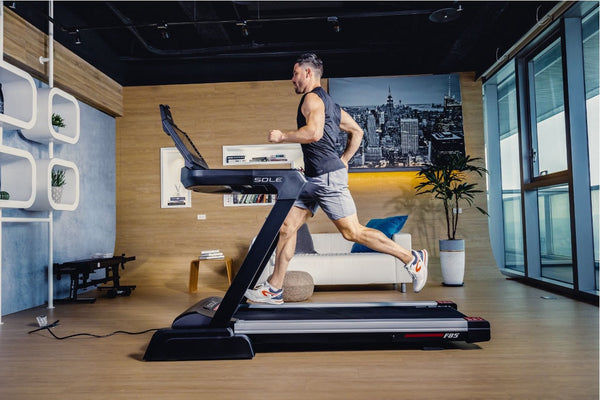
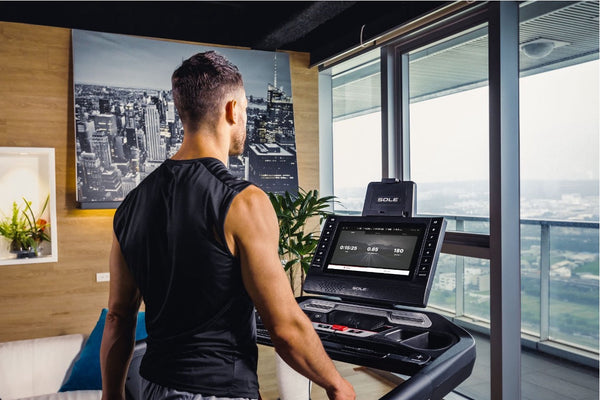
For the cardiovascular conditioning complementing pushup training, the SOLE Treadmill with Cushion Flex Whisper Deck enables the running that SEALs combine with pushups throughout training.
The FREE SOLE+ App tracks your pushup progress and delivers programming without subscription fees.
Check out SOLE’s collection today!
Frequently Asked Questions (FAQs)
What is the minimum number of pushups required to become a Navy SEAL?
To qualify for BUD/S training, candidates must complete at least 50 perfect-form pushups in 2 minutes during the initial Physical Screening Test. However, competitive candidates typically perform 80–100 pushups within the time limit to stand out in the selection process. This minimum standard is just the entry point, as once training begins, daily pushup volume quickly escalates far beyond this baseline requirement.
Do Navy SEALs do pushups every single day?
Active-duty SEALs typically do not perform high-volume pushups daily as they do during training phases. Their fitness regimens become more periodized and mission-specific, incorporating strength training, endurance work, and skill development in balanced cycles. Recovery days are programmed intentionally to prevent overtraining and injury given the other physical demands of operational activities.
Are SEAL pushups different from regular pushups?
SEAL pushups emphasize strict form with a complete range of motion, where the chest must touch the deck and arms must fully extend at the top of each repetition. Instructors demand perfect body alignment with no sagging hips or elevated shoulders. SEALs also perform pushups on varied surfaces, including sand, concrete, gravel, and even in water, developing adaptable strength that functions in any environment.
Can the average person handle a SEAL pushup routine?
The average person should not attempt to immediately adopt a full SEAL pushup routine. The volume and intensity would likely lead to injury rather than improvement for someone without an established fitness base. Fitness experts recommend a progressive approach beginning with 3–5 sets of 10–20 perfect pushups 3-4 times weekly, gradually increasing volume over months. This methodical progression allows connective tissues to strengthen alongside muscles, reducing injury risk while building sustainable capacity.
What equipment supports progressive pushup training at home?
Building toward SEAL-level pushup capacity requires progressive strength training that develops the chest, shoulders, and triceps beyond what bodyweight alone can achieve. The SOLE SW180 Adjustable Dumbbells with 16 weight settings enable the supplemental pressing exercises that build the strength foundation for high-volume pushups.
The SOLE Equipment Mat provides a stable, cushioned surface for high-volume pushup training, protecting wrists and enabling consistent hand positioning that maintains proper form throughout hundreds of repetitions. The non-slip surface prevents the hand sliding that compromises technique during fatigue.