Key Takeaways
- High knees work your abs primarily as stabilizers rather than as the main target muscle group, with the transverse abdominis and obliques engaging isometrically to maintain posture and protect the spine.
- This exercise burns approximately between 3.5 and 7 calories per minute when performed vigorously, making it excellent for cardiovascular conditioning and overall fat loss.
- Hip flexors tend to dominate the movement during high knees, which can diminish the work required from your abdominal muscles compared to dedicated core exercises like planks or leg raises.
- For maximum ab engagement, focus on proper form with a slight forward lean, consciously draw your navel toward your spine, and consider pulse techniques by holding the knee briefly at the top.
- The SOLE Equipment Mat provides cushioned support for high knees and complementary floor-based core exercises.
High Knees and Abs: The Truth About This Dynamic Exercise
High knees will work your abs, but probably not to the degree you are hoping for. They are primarily designed to elevate your heart rate, burn calories, and promote fat loss.
While your abdominal muscles are definitely involved, particularly your lower abs and obliques, they typically play a supporting role rather than being the star of the show.
The exercise primarily targets your lower body muscles including quadriceps, glutes, hamstrings, and calves. Your abdominal muscles, specifically the transverse abdominis and obliques, work isometrically to maintain stability throughout the movement.
This is different from dedicated ab exercises like crunches or leg raises, where the abdominals are the primary movers and undergo concentric and eccentric contractions.
During high knees, your hip flexors tend to dominate the movement, which can actually diminish the work required from your abdominal muscles.
This does not mean high knees are not beneficial—they certainly are—but understanding their true impact on your abs will help you set realistic expectations and design more effective workouts.
|
Premium Home Gym Equipment with Award-Winning Quality! Complete Your Home Gym:
Why Choose SOLE: ✓ Commercial-grade quality for home use 30-Day Money-Back Guarantee: Love it or return it, no questions asked. |

How High Knees Work Your Abdominal Muscles

Your core serves as a stabilizing force during high knees, preventing excessive arching in your lower back and maintaining proper alignment through isometric contraction.
Core Stabilization
When your feet leave the ground and your knees drive upward, your abdominals must contract to maintain posture and protect your spine. This constant need for stabilization creates sustained tension in the core muscles, which can lead to improved muscular endurance over time. Unlike isolation exercises, high knees require your entire core to work as an integrated unit, which better mimics real-life movement patterns.
Transverse Abdominis Engagement
The transverse abdominis, your deepest abdominal muscle, wraps around your midsection like a corset and is responsible for stabilizing your spine and pelvis.
To maximize activation during high knees, focus on drawing your navel inward toward your spine throughout the exercise. Studies show that proper activation of the transverse abdominis can help reduce lower back pain and improve overall core function.
Oblique Activation
Your obliques, both internal and external, work during high knees to prevent rotation and maintain frontal alignment. As you drive each knee upward, these muscles engage asymmetrically to stabilize your pelvis and prevent unwanted twisting motions.
For enhanced oblique engagement, you can modify standard high knees by incorporating a slight twist, bringing each elbow to meet the opposite knee as it rises.
The Full Benefits of High Knees Beyond Ab Work

While the debate about high knees' effectiveness for abs continues, there is no question that this dynamic exercise offers numerous cardiovascular and lower body benefits.
Cardiovascular Conditioning
High knees deliver exceptional cardiovascular benefits, elevating your heart rate quickly and improving oxygen delivery throughout your body. This makes high knees an excellent addition to HIIT workouts.
Calorie Burning Potential
When performed vigorously, high knees burn approximately 7 calories per minute. Even at moderate pace, expect 3.5-7 calories per minute depending on weight and intensity. The metabolic impact extends beyond the workout through excess post-exercise oxygen consumption (EPOC).
Hip Flexor Strengthening
This exercise provides significant strengthening for the iliopsoas group responsible for lifting your thigh toward your abdomen. Strong, flexible hip flexors contribute to better posture and reduced lower back pain.
Improved Running Performance
High knees closely mimic running biomechanics, developing the neuromuscular patterns needed for proper technique.
Duration and Intensity Recommendations

For maximum ab engagement during high knees, the ideal duration depends on your fitness level and intensity, with quality always trumping quantity.
Beginner Protocol
Start with 30-second intervals followed by equal rest periods, completing 3-5 rounds. This approach allows you to maintain proper form while gradually building endurance in both your cardiovascular system and core muscles.
Intermediate Progression
Progress to 45-60 second intervals with 30-second rest periods. This increased work-to-rest ratio creates greater metabolic demand and enhances core stabilization requirements.
Advanced Training
Perform high knees for up to 2-3 minutes continuously as part of a high-intensity circuit or as a standalone cardio drill.
Pulse Technique for Abs
Incorporate briefly holding the top position of each knee lift for a 1-second count before switching legs. This momentary pause increases time under tension for your core muscles and enhances abdominal benefits without significantly altering the basic movement.
Recommended Structure
Warm-up with 1 minute of regular high knees at moderate pace. The main set consists of 4 rounds of 40 seconds high knees with conscious core engagement followed by 20 seconds rest. Finish with 30 seconds of pulse high knees holding each knee briefly at the top.
Develop Comprehensive Core Strength With SOLE

The Equipment Mat provides cushioned support for high knees and complementary floor-based core exercises.
High knees require stable footing and cushioned surface support for repetitive impact. SOLE equipment provides the foundation for both performance and complementary exercises creating comprehensive abdominal development.
The SOLE Equipment Mat delivers the cushioned 36.5" x 78" surface for high knees and the dedicated core exercises, including planks, mountain climbers, leg raises, that complement this dynamic movement.
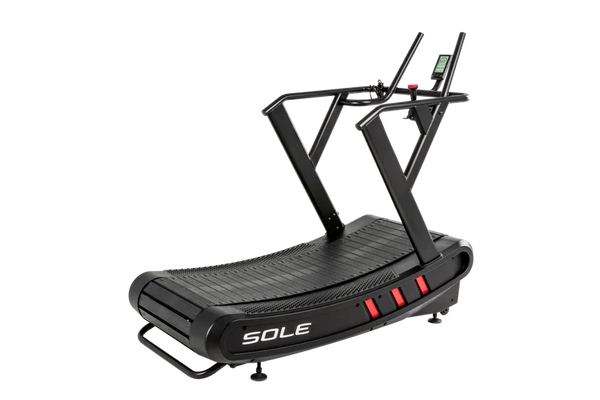
The SOLE Treadmills provide cardiovascular conditioning at comparable calorie burn without repetitive impact.
The FREE SOLE+ App delivers HIIT protocols combining high knees with targeted ab work.
Ready for comprehensive core development?
Check out SOLE fitness equipment today!
Frequently Asked Questions (FAQs)
How many high knees should I do to see results in my abs?
For noticeable results in your abdominal muscles, aim for 3-4 high knee sessions weekly with each session consisting of 4-6 sets of 30-60 seconds at high intensity. Remember that visible abs also require proper nutrition to reduce body fat percentage, as high knees alone will not reveal your six-pack if it is hidden beneath a layer of fat.
For best results, combine high knees with traditional core exercises like planks, mountain climbers, and leg raises. Most people begin to notice improvements in core endurance and stability within 2-3 weeks of regular practice, though visual changes may take longer.
Can high knees help me lose belly fat?
High knees can contribute to overall fat loss, including belly fat, by burning calories and elevating your heart rate. However, spot reduction—losing fat from a specific area, is not physiologically possible. When performed vigorously, high knees burn between 3.5 and 7 calories per minute, making them efficient for calorie expenditure.
Are high knees better for abs than traditional crunches?
High knees and traditional crunches target your abs differently and serve complementary purposes. Crunches specifically isolate abdominal muscles through direct flexion of the spine, creating more intense activation in the rectus abdominis (six-pack muscles). High knees train your core functionally through stabilization and anti-extension, primarily engaging the transverse abdominis and obliques..
Should I do high knees every day for abs?
Performing high knees daily is not necessary or recommended for most people. Your abdominal muscles, like all muscle groups, benefit from recovery periods between intense training sessions. A more effective approach is incorporating high knees into your routine 3-4 times weekly, allowing at least one day of rest between sessions. This recovery time enables muscle repair and strengthening while reducing injury risk and preventing overtraining.
How does SOLE equipment support high knees training and comprehensive core development?
The SOLE Equipment Mat delivers cushioned 36.5" x 78" surface essential for high knees and floor-based core work. The non-slip surface prevents foot sliding during rapid movements while cushioning absorbs landing impact during the 4–6 sets of 30–60 seconds recommended for results. The mat accommodates dedicated core exercises, such as planks, mountain climbers, leg raises—that should complement high knees since they primarily engage abs as stabilizers.
*Disclaimer: Prices mentioned in this article are accurate as of the date of publication and are subject to change. Please visit the official SOLE website for the most current pricing information.