Key Takeaways
-
The best machine for belly fat is whichever one you will use consistently, four to five times per week, combined with strength training and direct ab work.
-
Treadmills burn more calories per minute because they are weight-bearing, with one small study measuring 13.57 kcal per minute running versus 11.62 kcal per minute cycling.
-
Incline walking at 8 to 15 percent and 3.0 to 3.5 mph gets close to running's output without the joint impact that stops people from training.
-
Bikes remove impact entirely, so multiple sessions a week stay repeatable for anyone with knee, hip, or lower back issues.
-
SOLE Fitness builds cushioned-deck treadmills and quiet resistance bikes, both with a 30-day satisfaction guarantee, so you get a month to find out which one you will actually use.
Can You Really Spot Reduce Belly Fat?
Belly fat does not come off because you trained your abs, since fat loss happens across the whole body and your genetics and hormones decide the order it leaves in. Men tend to store more visceral fat around the organs, while women carry more subcutaneous fat around the hips and lower abdomen. For most people, the midsection is simply last in line, which is why months of ab work can feel like it changed nothing.
That reframes what your cardio machine is actually for. It is not burning fat off your stomach; it is creating the weekly calorie output that makes the deficit possible, which means the machine you can use four or five times a week beats the one with the better hourly number. Joint tolerance, boredom, and recovery decide that far more than calorie charts do.
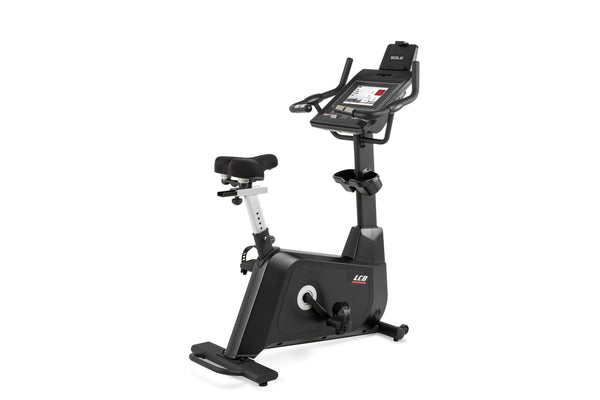
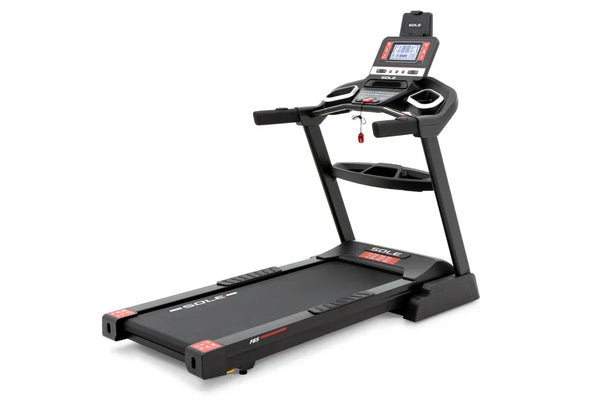
SOLE builds both sides of that choice: motorized treadmills with cushioned decks and 15 incline levels for low-impact, high-output walking, plus upright and recumbent bikes with quiet magnetic and EMS resistance for the days your joints need a break.
|
Premium Home Gym Equipment with Award-Winning Quality! Complete Your Home Gym:
Why Choose SOLE: ✓ Commercial-grade quality for home use 30-Day Money-Back Guarantee: Love it or return it, no questions asked. |

Treadmill for Belly Fat
The treadmill is a weight-bearing machine, which is why most people burn more calories per minute on it than on a bike. Every step requires your muscles to support and propel your full body weight, and that demand adds up quickly. Running at a moderate pace can push calorie burn well above what most people achieve on a bike in the same time window.
The tradeoff is impact. Running puts repeated stress on ankles, knees, and hips, and for people returning from injury, carrying extra weight, or just starting out, that impact can block consistency.

Walking on a treadmill keeps the weight-bearing advantage while removing most of the impact that makes running hard to repeat.
Calorie Burn Compared to Cycling
In a small study of seven recreational runners, participants burned an average of 13.57 kcal per minute running on a treadmill versus 11.62 kcal per minute while stationary cycling.
However, participants did not match cycling intensity to running intensity, particularly those without cycling experience. The findings therefore demonstrate higher calorie expenditure in these specific self-selected sessions, not necessarily an inherent advantage for running when intensity is genuinely matched.
Incline Walking as a Low-Impact Running Alternative
Incline walking is one of the most underused tools available on a treadmill. Setting the incline between 8 and 15 percent at a walking pace of 3.0 to 3.5 mph significantly raises heart rate and lower-body muscle engagement without the repeated impact of running. It is particularly effective for people who want the calorie-burning benefits of a vigorous treadmill session without the knee and hip stress that jogging or running can create.
Stationary Bike for Belly Fat
The stationary bike is the more forgiving machine, and for a large portion of the population, that forgiveness is what makes long-term fat loss possible. Cycling removes the impact equation entirely.
No repeated landing force travels through the joints, so people with knee issues, lower back sensitivity, or significant body weight can often train longer and harder on the bike than they ever could on the treadmill.
The bike also offers precise resistance control, which makes interval training straightforward. Pushing resistance high for 20 to 40 seconds and then dropping it for recovery is easy to repeat and easy to quantify, making structured interval sessions more accessible than they often are on the treadmill.
Why Bikes Work Better for High-Frequency Training
That lower-impact profile makes the bike ideal for high-frequency training. Doing four or five cycling sessions per week creates far less cumulative joint stress than the same number of running sessions, which means faster recovery and a lower risk of overuse injury. For fat loss, frequency and consistency over weeks and months matter far more than the intensity of any single session.

Recumbent models add back support and a step-through frame, lowering the barrier for anyone with hip or lower back issues.
Treadmill vs. Bike: Which Should You Choose?
The right choice depends on your injury history, current fitness level, and which format you will actually stick with for months, not weeks. Both machines can support meaningful belly fat reduction when used consistently alongside a calorie deficit and resistance training.
Choose a treadmill if:
-
Your joints tolerate walking, incline work, or jogging without pain
-
You want the highest calorie burn per session in the shortest time window
-
You respond well to varied terrain simulation like hills and speed changes
-
You are training for an event that involves walking or running
Choose a stationary bike if:
-
You have knee, hip, or ankle issues that make running uncomfortable
-
You want to train at high frequency without accumulating impact fatigue
-
You prefer controlled resistance intervals over pace-based workouts
-
You are earlier in your fitness journey and need a lower barrier to entry
For most people, the most effective long-term setup uses both. Treadmill sessions for walking, incline work, or running, and bike sessions for low-impact volume, recovery days, and controlled interval training. Rotating between them keeps training varied, reduces overuse risk, and allows you to stay active even when one mode feels like too much.
Quick Comparison: Which Machine Fits Your Goal
|
Goal or situation |
Better option |
Why |
|
Highest calorie expenditure in a time-limited workout |
Treadmill |
Running generally recruits more total muscle mass and produces slightly greater energy expenditure than cycling at comparable effort. |
|
Joint-friendly, repeatable cardio |
Stationary bike |
It is non-weight-bearing and typically easier to tolerate for people with knee, hip, ankle, back, or impact-related concerns. This can make higher weekly training volume more realistic. |
|
Beginner, higher body weight, or return from injury |
Stationary bike, then progress as appropriate |
Lower impact can reduce the barrier to establishing a frequent cardio habit, while still allowing moderate and hard intervals. |
|
Bone-loading exercise |
Treadmill walking/jogging/running |
Treadmill exercise is weight-bearing; cycling is not. This makes the treadmill a useful complement for people able to tolerate impact, though it is not essential for fat loss |
|
Long-term fat-loss adherence |
The one you enjoy and can perform often |
Small per-minute calorie differences are easily outweighed by consistency, training duration, and diet adherence. |
How To Tone Abs Alongside Cardio
Abs become visible through two separate processes, and cardio handles only one. The machine work lowers overall body fat until the muscle underneath stops being hidden, while direct core training builds the muscle that shows up once it does. Skip that second part, and you end up lean with a flat, undefined midsection.
Two or three core sessions a week alongside your cardio is enough, and what matters most is loading the core under tension rather than chasing high-rep crunches. You can try:
-
Planks and side planks for anti-extension and anti-lateral flexion strength
-
Dead bugs and bird dogs for control and lower back protection
-
Hanging or lying leg raises for the lower abdominals
-
Cable or band woodchops for rotational strength
Compound lifts carry over here too. Squats, deadlifts, and overhead pressing all demand bracing through the midsection, which is why strength training belongs inside a fat loss program rather than sitting outside it.
Build Your Fat Loss Routine with SOLE Fitness

SOLE has built cardio equipment for home, hotel, and gym use for more than 25 years.
Belly fat loss comes down to consistent energy output, a sustainable calorie deficit, and enough muscle stimulus to make the results worth having. The machine you choose matters less than using it four to five times a week for months on end. Progress stalls when you pick equipment that hurts, bores, or discourages you.
At SOLE, we build treadmills and bikes for sustained, progressive training, with free access to the SOLE+ app THAT INCLUDES 3,000+ instructor-led workouts across running, cycling, rowing, and strength. Every machine carries a 30-day satisfaction guarantee, so you have a full month to find out whether the one you picked is the one you'll actually use. Check out SOLE treadmills and bikes today.
Frequently Asked Questions (FAQs)
Is a treadmill or bike better for losing belly fat fast?
Neither machine burns fat specifically from the belly. Fat loss is a total-body process driven by a calorie deficit. The treadmill tends to burn more calories per minute in practice, but the bike often wins long-term because its lower impact allows more frequent, consistent training sessions.
How many days a week should I do cardio to lose belly fat?
The federal Physical Activity Guidelines for Americans recommend 150 to 300 minutes of moderate-intensity aerobic activity per week for substantial health benefits. For fat loss, four to five cardio sessions per week of 30 to 60 minutes each is a practical and effective target. Alternating between treadmill and bike sessions helps manage joint stress while keeping weekly output high enough to support a meaningful calorie deficit.
Can I lose belly fat without running?
Yes. Running is not required for belly fat loss. Incline treadmill walking, steady-state cycling, and interval training on a stationary bike can all support the calorie deficit needed for fat reduction. The key variable is total weekly energy expenditure, not the specific modality used to create it.
Do incline treadmill workouts burn more fat than flat running?
Incline walking raises calorie burn and cardiovascular demand significantly without the impact of running. At the steeper end of the range, roughly 12% and above at 3.5 mph, walking can match or exceed the calorie output of a flat 5 mph jog, while milder grades around 8% sit above flat walking but below jogging. It is effective for people who want high-output sessions without the recovery cost of running.
What does SOLE Fitness offer for home cardio training?
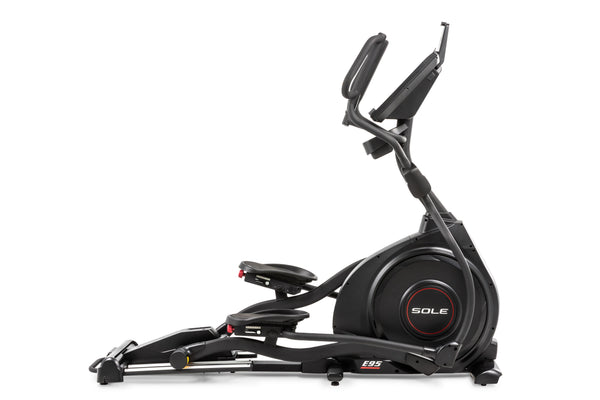
SOLE Fitness builds cardio equipment for home use across four categories: treadmills, ellipticals, bikes, and rowing, along with a cardio climber. The bikes come in both upright and recumbent formats, with low-noise resistance systems and consoles ranging from LCD displays to touchscreens. Every compatible machine includes free access to the SOLE+ app with 3000+ instructor-led workouts across running, cycling, rowing, and more.
*Disclaimer: Products and prices mentioned in this article are accurate as of the date of publication and are subject to change. Please visit the official SOLE website for the most current information.